Case studies from Arizona facilities
Read how residential behavioral health facilities across Arizona stabilized operations, kept compliance current, and maintained steady admissions with our support.
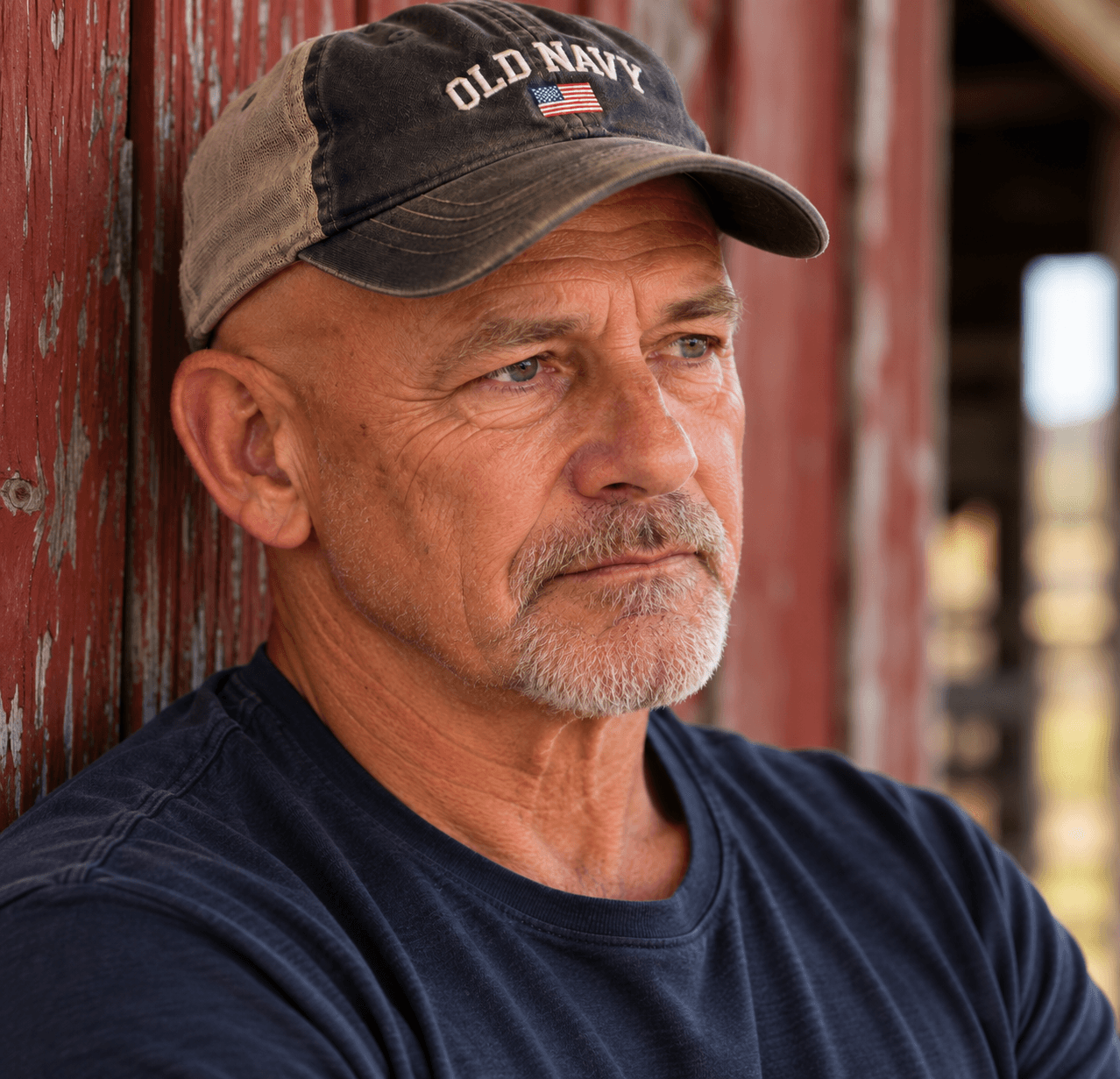
From a Decade of False Starts to a Licensed Veteran-Focused Facility
Roger had spent more than 30 years in drug and alcohol recovery, leading AA meetings and working as a BHT. As a Navy veteran who served during Vietnam, he wanted to create something of his own for veterans struggling with addiction and behavioral health. But after years of trying on his own and with different partners, the idea never became a working facility. By age 75, Roger had invested much of his life savings, lost his wife, and nearly given up on the dream. Then a conversation at his local VFW reminded him that he still had more to give. He found Great Lakes through LinkedIn and decided to make one final attempt. We started by creating and filing the documents for Mission Ready to become a 501(c)(3) nonprofit in less than 90 days. When Roger asked us to help pursue grant funding, we were upfront that grant writing was still a growing area for our team. Several early applications were not selected, but we knew how much this opportunity meant to him, and we kept going. We continued searching for opportunities, refining applications, and submitting until Mission Ready finally received the funding Roger needed to move forward. That award became the starting point for building the behavioral health facility he had been trying to create for years. From there, Great Lakes provided startup consulting and helped build the clinical and operational foundation he had struggled to put together on his own. In less than six months, Mission Ready became licensed and credentialed with AHCCCS. Roger then hired Great Lakes to provide ongoing clinical supervision for his six-bed facility. Today, Roger is serving veterans and others in recovery through Mission Ready while continuing his work in AA and the veteran community. Referrals now come through relationships he has spent decades building, including recovery groups and veteran court. After years of setbacks, Roger finally had the structure, support, and professional guidance to turn his experience into the mission he had been trying to build for more than a decade.
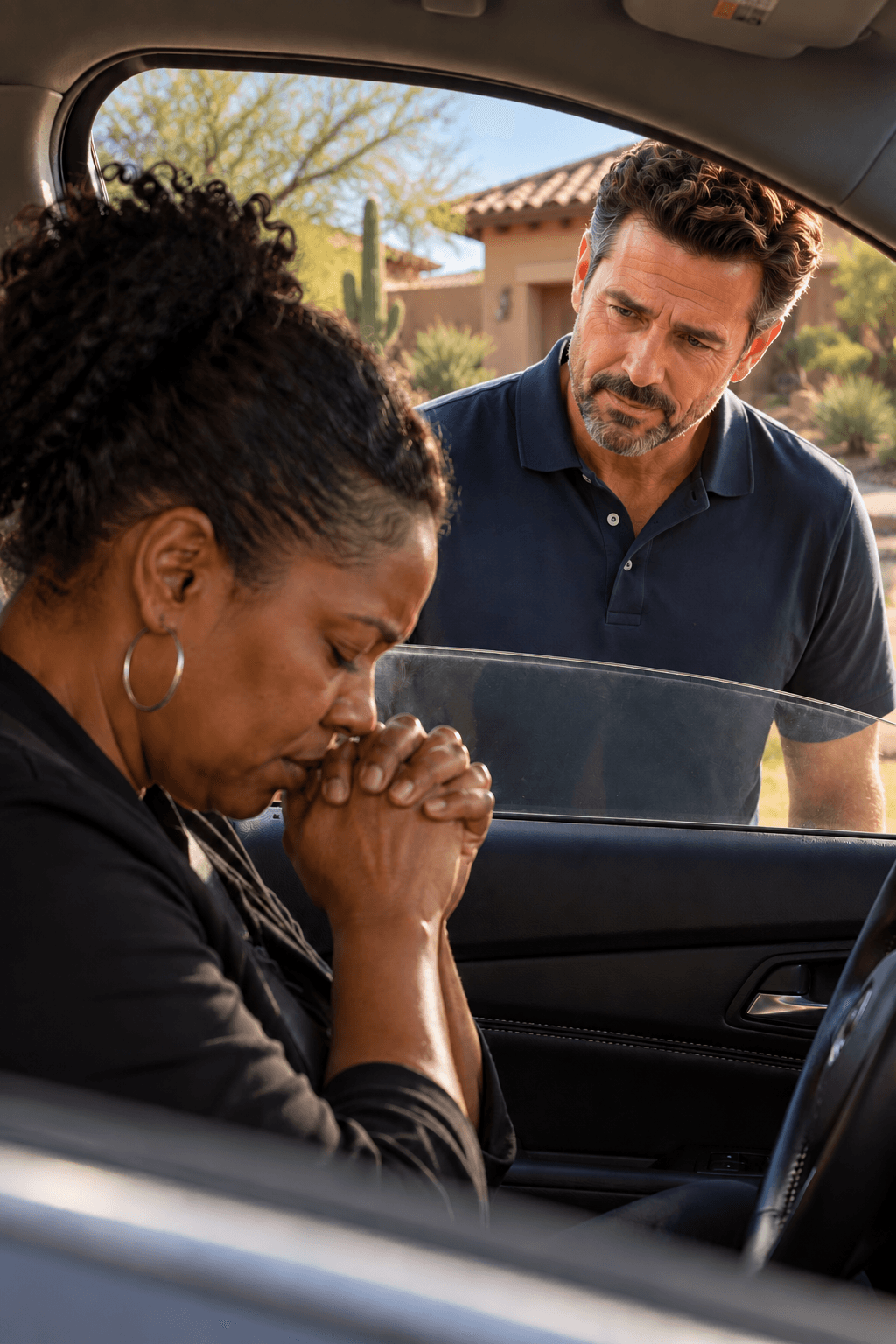
From Six AHCCCS Denials and Near Closure to a Full House
House of Hope came to Great Lakes after a long stretch of setbacks. The organization had been through audits, licensing problems, AHCCCS issues, ownership changes, and the loss of multiple facilities. By mid-2025, the new owners were trying to rebuild a company with a damaged reputation, no clients for more than nine months, and the very real fear that the remaining facility could be shut down before they had a chance to recover. They had already worked with several BHPs and had been denied AHCCCS credentialing six times. On the last attempt, the BHP left while the application was still in process. When AHCCCS confirmed that the BHP was no longer with the organization, the application was denied again. Soon after, the owners were told they had only two weeks to secure another BHP. They hired us for clinical supervision, but once we understood everything they had been through, we knew they needed more than a BHP. We offered to help them work through the AHCCCS process and connect with MCOs in Pinal County. We did not charge them for that additional help. After everything they had already lost, we wanted to see them get through it. We stayed involved, helped them move through the credentialing process, and continued providing the clinical support they needed to rebuild with more confidence. Today, House of Hope is credentialed with UnitedHealthcare and serves eight residents. Our work with House of Hope has continued to grow beyond clinical supervision. We help support the organization, its staff, and the people receiving care. Most recently, we introduced the team to advanced treatment-program resources through R1 Learning to help strengthen the recovery experience for residents.
"Found Great Lakes when we were running out of time and options."
"Today, I have residents in the home, payer credentialing in place, and thier clinical team beside us."
Know Where Your Facility Stands Before Problems Become Urgent
We’ll review your current clinical and operational setup, identify gaps in BHP coverage, documentation, assessments, treatment planning, referrals, and workflows, then help you understand what needs attention now and what can wait.